
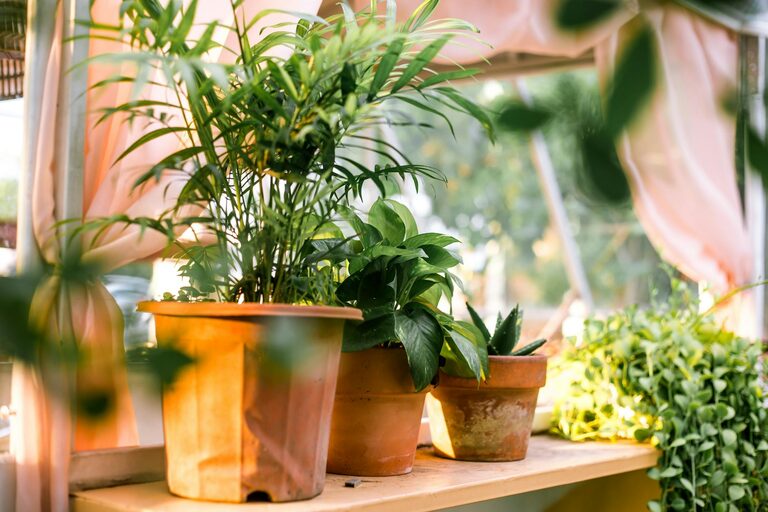
Bringing houseplants into your home is a fantastic way to add greenery, purify the air, and create a calming environment. However, keeping these living decorations healthy requires some attention and care. Whether you are a beginner or have been nurturing plants for years, these practical tips will help you maintain thriving, lush houseplants.
Understanding Your Houseplants’ Needs
Every plant species has specific care requirements, so it’s essential to learn about your particular plants. Start by identifying the species you have and researching their natural habitat. This knowledge will guide you on how much light, water, and humidity they prefer.
Light Requirements
Plants vary in their light needs—from bright, direct sunlight to low light conditions. Place sun-loving plants like succulents and cacti near south-facing windows, where they can soak up plenty of light. For plants that thrive in shade, such as snake plants or pothos, a spot with indirect sunlight or fluorescent lighting will work well.
Tip: Monitor your plants for signs of too much sun (scorched leaves) or too little light (leggy growth and pale leaves) and adjust their location accordingly.
Watering Wisely
Overwatering is one of the most common reasons houseplants struggle. Each plant has a preferred watering schedule, but a general rule is to water only when the top inch of soil feels dry to the touch.
– Use room-temperature water to avoid shocking the roots.
– Water thoroughly so that excess water drains from the bottom of the pot.
– Empty the saucer under the pot to prevent root rot caused by standing water.
Tip: It’s better to underwater slightly than to overwater. If you’re unsure, wait a day or two and check the soil again.
Choosing the Right Soil and Pot
Healthy plants start with good soil and pots that suit their needs.
Soil Mix
Use high-quality potting soil formulated for indoor plants. Some plants require specific blends—for instance, succulents prefer well-draining, sandy soil, while ferns thrive in moisture-retentive, organic-rich soil.
Pot Selection
Choose pots with drainage holes to prevent water from pooling at the bottom. Terra cotta pots are breathable and help with soil moisture regulation, whereas plastic pots retain moisture longer. Select a size comfortably larger than your plant’s root ball to allow growth but avoid excessively large pots, which can hold too much water.
Feeding Your Plants
Indoor plants benefit from occasional fertilizing since they don’t have access to natural soil nutrients.
– Use a balanced, water-soluble fertilizer every 4-6 weeks during the growing season (spring and summer).
– For flowering plants, consider fertilizers higher in phosphorus to encourage blooms.
– Be careful not to over-fertilize, which can harm the plant.
Maintaining Proper Humidity and Temperature
Most houseplants come from tropical or temperate regions and appreciate consistent humidity and temperature.
Humidity
Dry indoor air, especially during winter heating, can stress plants. Increase humidity by:
– Grouping plants together to create a microenvironment.
– Using a humidifier near your plants.
– Placing a water tray with pebbles under pots, ensuring the pot base is above the water.
Temperature
Maintain indoor temperatures between 65°F and 75°F (18°C–24°C), avoiding sudden drafts or heat sources such as radiators and vents. Keep plants away from cold windows during winter.
Pruning and Cleaning
Regular maintenance helps plants stay healthy and promotes growth.
– Trim dead or yellowing leaves promptly to prevent disease spread.
– Pinch back leggy or overgrown stems to encourage bushier growth.
– Dust leaves gently with a damp cloth or give the plant a lukewarm shower to keep pores clear and maximize photosynthesis.
Monitoring for Pests and Diseases
Indoor plants can attract pests like spider mites, aphids, or scale insects. Keep an eye out for:
– Sticky residue or discolored patches on leaves.
– Webbing on the undersides of leaves.
– Wilting or distorted growth.
At the first sign of infestation, isolate the plant and treat it using natural solutions such as insecticidal soap, neem oil, or simply by wiping leaves with soapy water.
Repotting When Needed
Plants can outgrow their containers after a year or two. Signs your plant needs repotting include roots growing out of drainage holes or soil that dries too quickly.
– Choose a pot one size larger.
– Refresh the soil to provide new nutrients.
– Gently loosen the root ball and trim any dead or circling roots before repotting.
Final Thoughts
Caring for houseplants is a rewarding hobby that brings life and comfort to your home. By understanding each plant’s unique needs and following these straightforward tips, you’ll enjoy healthy, vibrant houseplants all year round. Remember, patience and observation are key—your plants will tell you what they need with a little attention and care.
Happy gardening!