
Keeping paper clutter under control is a challenge many households face. Bills, receipts, mail, and other documents can easily pile up and create disorder, making it difficult to find important papers when you need them. Fortunately, with a few simple strategies, you can reduce paper clutter and enjoy a cleaner, more organized living space. In this post, we’ll explore practical tips and easy-to-follow methods to help you manage paper clutter at home.
Why Reducing Paper Clutter Matters
Paper clutter isn’t just an eyesore—it can also increase stress and waste valuable time spent searching for documents. Organizing your paper can:
– Create a calm and pleasant environment
– Improve efficiency by making important documents easy to find
– Reduce the risk of losing critical paperwork
– Help save money by preventing late payments and duplicate purchases
Step 1: Sort and Purge Paper
Before organizing, it’s important to sort through all the paper in your home. Gather all loose papers and categorize them into clear groups such as:
– Bills and statements
– Receipts
– Personal documents (e.g., birth certificates, insurance)
– Junk mail and flyers
– School or work papers
Once sorted, go through each category and decide what to keep, what to shred, and what to recycle. A useful guideline is to keep only what is necessary—for example:
– Keep bills and financial documents for tax and warranty purposes
– Save receipts for items you may return or need for records
– Toss or recycle junk mail immediately
This initial purge can significantly reduce the amount of paper you have to manage.
Step 2: Go Digital Where Possible
Digital storage is one of the most effective ways to minimize paper clutter. Take these steps to digitize your paperwork:
– Scan important documents and save them securely on your computer or cloud service
– Use apps that allow you to snap photos of receipts and store them electronically
– Sign up for e-bills and electronic statements to reduce mailed papers
– Switch to paperless subscriptions for magazines, newsletters, and bank communications
To keep digital files organized, create folders labeled by category or date. This makes retrieval quick and avoids digital clutter.
Step 3: Create a Paper Management System
Even with digital options, some paperwork will remain. Establishing a management system helps keep it under control:
Use a dedicated filing system
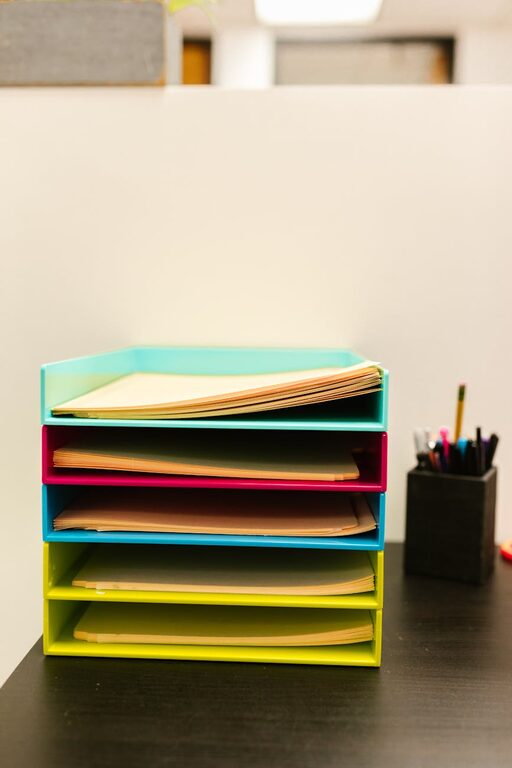
– Purchase a filing cabinet, accordion folder, or desktop file organizer
– Label folders clearly by category such as “Bills to Pay,” “Medical Records,” or “School Papers”
– File documents immediately after sorting instead of piling them on counters
Set up an inbox tray
– Have a designated spot, like a tray or basket, where all incoming mail and documents are placed initially
– Schedule a weekly time to go through this tray and process the papers—to pay, file, or discard
Use a calendar or planner
– Write down due dates for bills and important deadlines to avoid clutter from last-minute paperwork
– Keeping track helps reduce the need to keep multiple reminders or notes
Step 4: Reduce Incoming Paper
Prevention is key. Limiting the amount of paper entering your home saves time and effort:
– Opt out of junk mail through services like the Direct Marketing Association’s mail preference service
– Unsubscribe from unnecessary magazines and catalogs
– Encourage family members to use digital receipts and tickets
– Request electronic communications for schools, clubs, and service providers
Step 5: Maintain the System
The best paper management system is only effective if maintained regularly. Make it a habit:
– Spend 10-15 minutes each day sorting new paper
– Revisit and purge files every few months to eliminate outdated documents
– Enforce household rules encouraging everyone to put papers in the right place
Bonus Tips for Reducing Paper Clutter
– Use a shredder to safely dispose of sensitive documents you no longer need
– Keep a small notebook or digital app for jotting quick notes to avoid stray papers
– If you receive paper that requires action, tackle it immediately instead of delaying
– Encourage all household members to participate in the paper organization routine
Conclusion
Reducing paper clutter at home doesn’t require complex systems or expensive tools. With intentional sorting, digitizing, and regular maintenance, you can keep your paper under control, saving time and reducing stress. Start by taking a small step today, such as setting up an inbox tray or scanning key documents. Little changes add up, and you’ll soon enjoy a tidier, more peaceful home environment.
—
By following these simple strategies, tackling household paper clutter can be a manageable and even enjoyable project. Remember, consistency is key to lasting results!